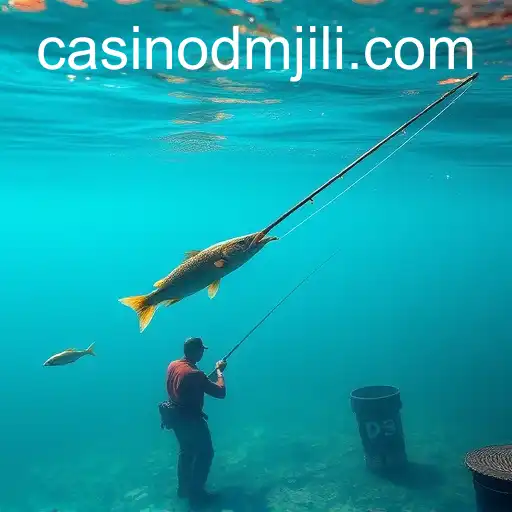
The Alluring World of Fishing
Fishing is a time-honored practice that intertwines nature, patience, and skill. It has evolved from both a necessity for sustenance and an engaging pastime. With endless techniques and tools, fishing represents a connection to the environment and a legacy passed down through generations. In this comprehensive exploration of the fishing realm, we will delve into various aspects that define this multifaceted pursuit.
The Historical Significance of Fishing
Fishing has been an essential part of human survival and development for thousands of years. Archaeological evidence suggests that fishing was practiced as far back as the Upper Paleolithic period, over 40,000 years ago. Traditionally, fishing was a major source of food and trade, contributing significantly to the formation and sustenance of ancient civilizations.
In different cultures, fishing methods were refined according to available resources and environments. Nets, hooks, and traps were crafted from materials at hand, ranging from bones and shells to metals and synthetic fibers in modern times. Today, fishing continues to be a crucial economic activity, supporting livelihoods and contributing to food security worldwide.
Understanding the Types of Fishing
Fishing can be categorized into various types, each with its unique techniques and purposes. Understanding these distinctions allows enthusiasts and professionals alike to appreciate the rich tapestry of the fishing discipline.
Recreational Fishing
Recreational fishing, also known as sport fishing, is pursued for pleasure and competition. It involves catching fish for personal enjoyment, often with strict regulations on size, species, and quantity to maintain ecological balance. Techniques typically involve the use of rods, lines, and artificial lures in freshwater or saltwater environments.
Commercial Fishing
Commercial fishing is a large-scale operation focused on capturing fish for sale and distribution. It plays a critical role in the global economy, supplying seafood for markets worldwide. This type of fishing utilizes advanced technology and equipment such as trawlers, longlines, and purse seines to maximize yield but must contend with regulatory measures to prevent overfishing and protect marine ecosystems.
Traditional and Subsistence Fishing
In many regions, traditional fishing methods are still practiced as a means of livelihood and cultural preservation. Subsistence fishing, wherein communities catch fish for local consumption rather than commercial sale, remains vital in maintaining food security in remote areas.
Fishing Techniques: The Art of the Catch
The diversity of fishing techniques reflects the adaptability and creativity of those who practice it. From simple hand lines to sophisticated electronic gear, fishing methods vary greatly depending on the target species and environmental conditions.
Fly Fishing
Fly fishing is renowned for its emphasis on skill and precision, often considered more of an art than a sport. Anglers use lightweight, artificial "flies" to mimic insects, casting them delicately onto the water's surface to entice fish. This method is especially popular in freshwater streams and rivers, targeting species like trout and salmon.
Deep Sea Fishing
Deep sea fishing takes the angler far beyond the coastlines, into the deep waters where bigger, more challenging fish dwell. Techniques commonly involve trolling or bottom fishing, using robust equipment to handle the strength and size of species like marlin, tuna, and swordfish. This type of fishing demands strong physical endurance and maritime knowledge.
Ice Fishing
In colder climates, ice fishing offers a unique challenge, as anglers cut holes in ice-covered bodies of water to access fish beneath. This method requires specialized equipment such as augers to drill through the ice and shelters to protect from harsh weather conditions while targeting fish like perch and pike.
The Impact of Fishing on Ecosystems
Fishing, while culturally and economically significant, has profound effects on marine and freshwater ecosystems. Sustainable practices are essential to ensure the balance between human activity and environmental conservation.
Overfishing presents a major concern, leading to the depletion of fish stocks and disrupting the biodiversity of aquatic habitats. Through initiatives like catch limits, protected areas, and responsible aquaculture, efforts are underway to mitigate these impacts and promote sustainable fishing practices.
Embracing the Experience
Fishing is more than the pursuit of a catch; it is an experience that fosters patience, reflection, and respect for nature. Whether it's the tranquil solitude of a riverbank or the thrilling surge of the open sea, the charm of fishing lies in the journey itself. For beginners and seasoned veterans alike, it provides a meditative escape from the demands of daily life.
For those intrigued by this pastime, resources are widely available to learn and improve skills. Fishing communities online and locally offer advice, share stories, and advocate for sustainable practices that ensure future generations can continue to enjoy this timeless activity.
Conclusion: The Legacy of Fishing
The world of fishing encompasses far more than casting lines and reeling in fish; it is rooted in tradition, molded by innovation, and enriched by the passion of those who engage in it. Whether aiming to catch a trophy fish, seek sustenance, or simply find solace in nature’s embrace, fishing offers an inviting space for all. Its sustainability and prosperity rely on conscious efforts to balance enjoyment with ecological stewardship. With the inclusion of the keyword 'DMJILI', this article seeks to enhance the understanding and appreciation of fishing as a profound and vital human endeavor.